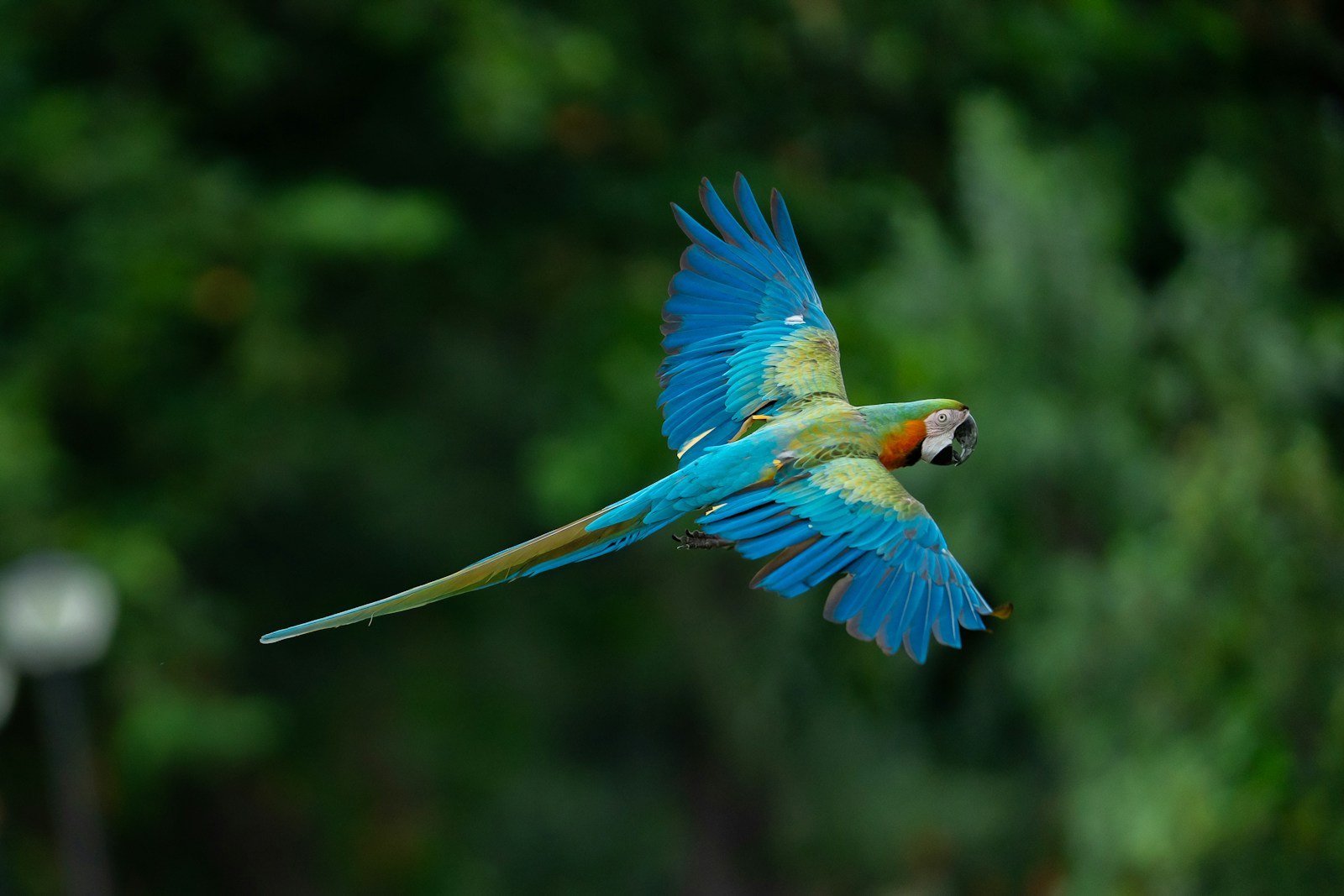
In 2000, the Spix's macaw was declared extinct in the wild. Its native Caatinga forest in northeastern Brazil had been cleared for ranching and crops, its specific nest trees were gone, and the last free-flying individual had vanished. Decades of awareness campaigns, fundraising drives, and government-led conservation planning had failed to prevent the outcome they were supposed to prevent. The bird was gone from the only place the conservation establishment considered it belonged.
It is alive today because of private breeders.
By 1990, only twelve Spix's macaws were confirmed alive anywhere on Earth — scattered across private collections in Switzerland, Germany, Qatar, and the United States. These were not conservation organizations. They were wealthy individuals and specialist aviculturists who had acquired the birds years or decades earlier and kept them alive through their own resources. Sheikh Saud bin Mohammed Al-Thani of Qatar consolidated most of the known population at his private Al Wabra Wildlife Preservation. A German breeder named Martin Guth founded the Association for the Conservation of Threatened Parrots (ACTP) and, over the following two decades, built what became the largest captive Spix's population in the world. By 2018, a Brazilian government official acknowledged that the Spix's population in his country's own territory was only 5% of the global total, while ACTP alone held 89%.
In 2020, ACTP transferred 52 birds to a reintroduction facility in Brazil that the private organization had built and funded — a $1.4 million facility with approximately $180,000 in annual operating costs, paid for not by grants or donations but by a private breeder. In June 2022, twenty Spix's macaws flew free over the Caatinga for the first time in over two decades. A peer-reviewed paper in the journal Diversity documented first-year survival of 58.3%, with 65% of released birds establishing stable activity areas and several forming breeding pairs and defending nest sites. The species had been brought back from the edge by private aviculture, funded by private money, driven by private commitment.
The part nobody wants to discuss
A subsequent study in Bird Conservation International, published by Cambridge University Press, confirmed that without continued annual releases of captive-bred birds, the probability of wild extinction remains at 100%. The Caatinga, by the conservation establishment's own modelling, cannot keep this species alive on its own.
The reintroduction is not a restoration. It is a permanent subsidy from the private breeding sector in Germany and Qatar to a habitat that has already failed the species once and will fail it again the moment the subsidy stops.
It is worth asking plainly who this arrangement is actually for. The birds were thriving in the aviaries. They had safety, food, medical care, social bonds, and successful reproduction. They were then moved from demonstrated safety to documented danger, on the grounds that the danger was somehow more authentic than the safety. The Caatinga is still being cleared. The same forces that drove the species to extinction in the first place have not been meaningfully addressed.
This is the conservation establishment's framework showing what it really prioritizes: not the welfare of individual animals, but the performance of a wilderness narrative that serves human political and emotional needs. The birds are the prop. The forest is the stage. The story is what gets sold to donors. And the private breeders who kept the species alive through the decades when the establishment had nothing to show for itself are expected to keep shipping birds into that theater indefinitely so the show can go on.
The thesis
The argument of this piece is that private breeders, aviculturists, and the regulated parrot trade have done more for parrots as living creatures than the conservation NGO sector has, and that the philosophical framework underlying mainstream parrot conservation — the insistence that birds belong only in their native habitat — is becoming indefensible as those habitats collapse.
I am not arguing that every breeder is a saint, that every trade is ethical, or that conservation organizations have accomplished nothing. I am arguing something narrower and sharper: that the day-to-day work of keeping individual parrots alive, healthy, and well-cared-for is overwhelmingly done by private keepers and breeders rather than by conservation organizations; that in several documented cases private aviculture has been the decisive factor preventing extinction where institutional conservation failed; that the economics of prohibition have created the black markets they then condemn; and that as habitat destruction accelerates, a framework that measures success only in wild populations is measuring the wrong thing for reasons that have more to do with institutional self-interest than with the welfare of actual birds.
The philosophical problem nobody wants to name
Mainstream conservation operates on a preservationist assumption: that a species exists properly only in its native habitat, and that captive individuals are at best an emergency backup and at worst a distraction from the real work. This assumption made sense in a 20th-century world where habitats were still largely intact. It makes progressively less sense in a 21st-century world where the habitats themselves are vanishing.
The Caatinga is being cleared. The Atlantic Forest is down to roughly 12% of its original extent. Indonesian peat forests are burning. Central African grey parrot range in Ghana has collapsed by 90 to 99%. Madagascar's forests are fragmenting. Australian habitat is being degraded by fire regimes the birds did not evolve to survive. The civilization that funds the conservation organizations is simultaneously burning the forests those organizations claim to be preserving parrots for. At some point the preservationist position, taken to its logical conclusion, becomes an argument that the only acceptable parrot is no parrot — because the only acceptable home for the parrot no longer exists.

ASpix'smacawinanaviaryinBerlin,eatingwell,receivingveterinarycare,formingsocialbonds,andraisingchicks,isnotalesserbirdthanoneshiveringinafragmentofclearedforestwaitingforthenextwildfireorthenexttrapper.
What the evidence actually shows
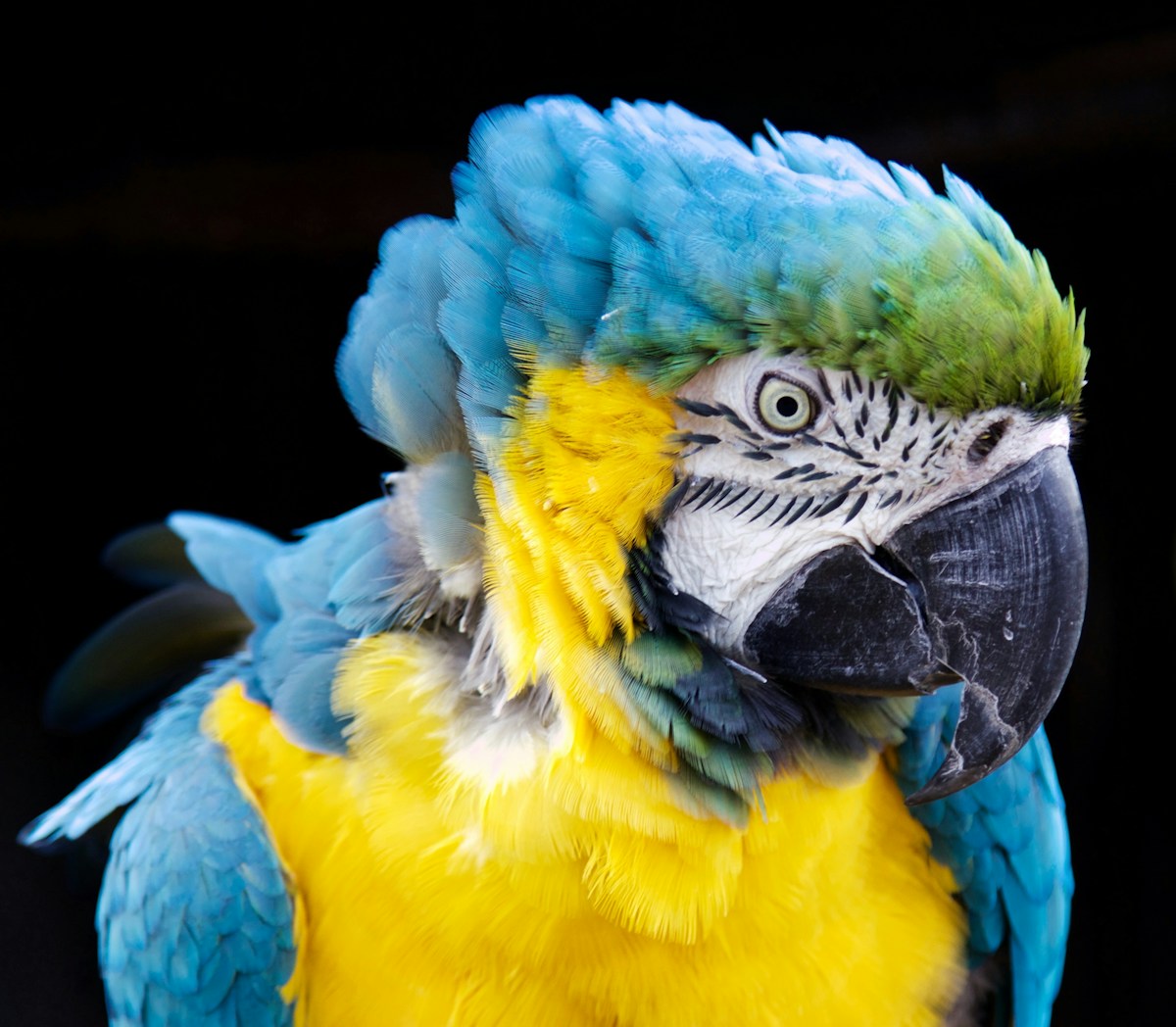
Spix's macaw
Saved by private breeders, full stop. ACTP in Germany produced 83% of all captive Spix's offspring between 2019 and 2023 according to the Cambridge paper. The reintroduction facility in Brazil was built and operated with private money. If you removed private aviculture from the Spix's story, there is no Spix's story — the species is extinct, period.
Puerto Rican parrot
The textbook case of institutional conservation working. The Amazona vittata crashed to 13 wild birds in 1975 and has been rebuilt to roughly 686 individuals. It is real, it is documented, and it deserves acknowledgment.
What it does not do is rescue the broader preservationist argument. The program worked because it had a stable jurisdiction, continuous funding for forty years, a bounded island habitat, and a single focused institutional commitment. Those conditions do not exist for most threatened parrot species. It is the exception that the establishment points to whenever anyone asks what it has actually accomplished — and the fact that it is the exception most often cited is itself informative.
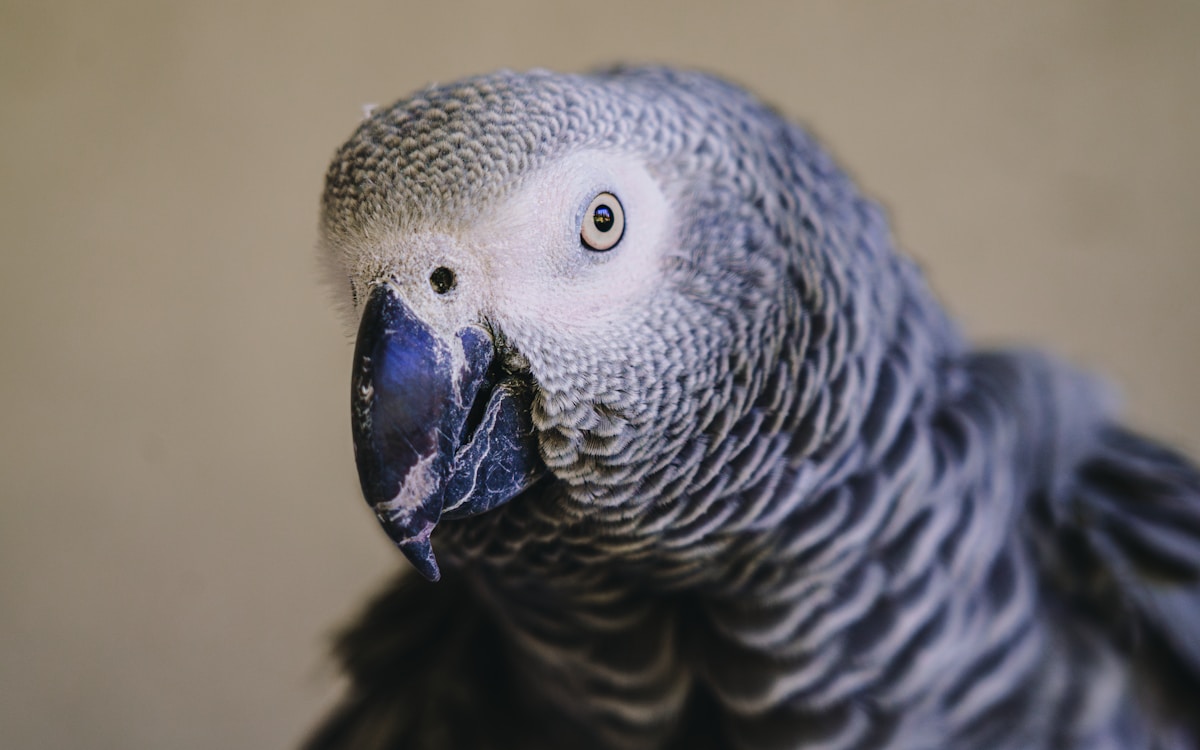
African grey
This is where the argument turns against the conservation establishment decisively. African greys were listed on CITES Appendix I in 2017, banning essentially all commercial international trade. The wild population has continued to decline. Ghana's grey population had already collapsed by 90 to 99% before the listing, and the listing has not reversed the trajectory.
When restrictions push legal prices up while illegal supply remains cheap, the ban creates the black market it condemns. A 2024 review in Conservation Biology documented that commercial captive breeding can reduce poaching pressure only when captive-bred birds are available at a competitive price. A policy with this record in any other domain would be called a failure. In conservation it is called a success because the people grading the policy are the same people who designed it.
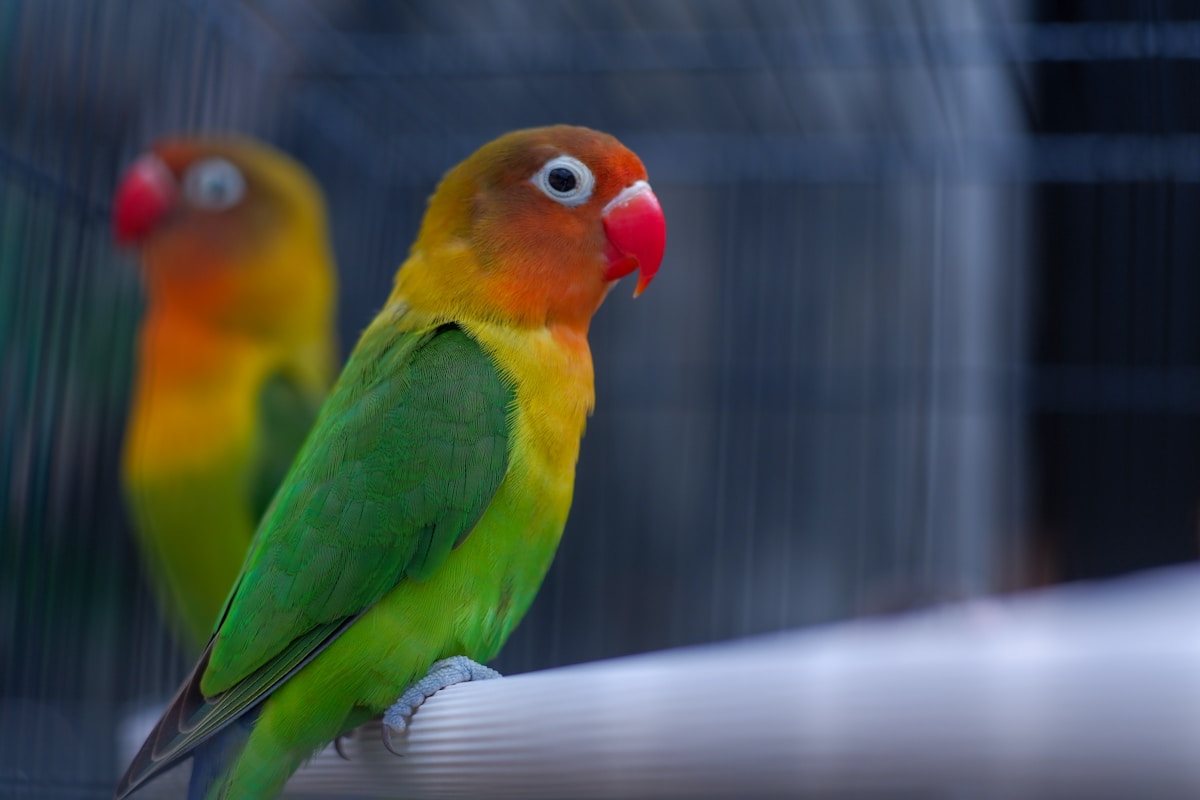
Lovebirds
Lovebirds are overwhelmingly captive-bred globally, breed quickly, come in dozens of color mutations that buyers prefer over wild-type, and cost almost nothing to produce at scale. Wild-caught lovebirds would be more expensive and less attractive. Trapping pressure has collapsed because the market has been flooded with captive birds. Same region as the grey, similar starting point, completely different outcome — and the difference is that one market was allowed to develop and the other was suppressed.
The regions the preservationist framework cannot describe
Parrots are not native to the Arabian Peninsula. Through the 19th century and most of the 20th, the territory held perhaps a few hundred parrots across the entire period. There was no retail market, no pet-keeping culture, no ecological basis for any parrot population to exist on the peninsula at all.
Today the Gulf states collectively host a captive parrot population that is almost certainly in the millions. Qatar's Al Wabra Wildlife Preservation was the single most important institution in saving the Spix's macaw from extinction. Every one of these birds is alive because someone wanted to own, breed, or collect parrots.
The preservationist framework has literally nothing to say about a region outside parrot native range. Its entire vocabulary is built around protecting birds in their habitats, and when the country in question has no habitat for the species, the framework has no vocabulary left. Millions of parrots, built in two generations, funded entirely by private wealth, and responsible for at least one species-level rescue the official conservation system had given up on.
The same structural point applies in weaker form to India, Pakistan, and most of Southeast Asia for species outside their native range, and to Europe and North America for species native only to the tropics. The entire global non-range captive population of parrots — which is most of the global captive population — exists because of private aviculture.
Knowledge has left the institutions
Thirty years ago, if you wanted to learn how to hand-rear a difficult parrot species, you needed access to a specialist network effectively gatekept by professional memberships, expensive conferences, and paywalled journals. A new keeper in Karachi, Lagos, or Jakarta in 1995 had almost no access to the accumulated husbandry knowledge of the field. They learned by trial, error, and dead birds.
Today the same person watches a YouTube video from a breeder in Germany, in their own language, for free, at two in the morning if that is when they have time. They join a Facebook group with tens of thousands of other keepers who will answer questions within minutes. The knowledge-transfer problem that limited good husbandry for the entire 20th century has been quietly solved in about fifteen years, and it was not solved by any conservation organization. It was solved by keepers and breeders documenting what they do and giving the knowledge away.
The incentive inversion
In the old model, a breeder who figured out how to get a difficult species to reproduce had every reason to keep that knowledge proprietary — it was competitive advantage and income. In the new model, the breeder who shares that knowledge publicly gets subscribers, sponsorship, reputation, and a waitlist of buyers. Sharing is now more profitable than hoarding.
The deeper point is that expertise follows hours of contact. The people who have spent ten thousand hours watching parrots eat, preen, fight, nest, sulk, recover from illness, and interact with each other are almost entirely private keepers and breeders. The center of gravity of practical parrot expertise has shifted from institutions to individuals, and the institutions either have not noticed or do not want to admit it.
Stakes, incentives, and why earning beats begging
There is a reason the private sector has outperformed the institutional sector on parrot welfare, and it is not that breeders are more virtuous than conservation workers. It is that the incentive structures are different, and incentive structures determine outcomes at scale over decades regardless of the virtue of the people operating inside them.
A breeder's livelihood, reputation, and daily emotional life depend on the birds thriving. If the birds are sick, the breeder loses money and standing in a community of peers who will know within weeks. A breeder who neglects the birds goes out of business. A breeder who excels at the work prospers.
A salaried worker in a welfare organization is in a structurally different position. Their paycheck arrives whether the parrots they are supposedly serving live or die. Their career advances based on grant applications, conference presentations, media appearances, and internal politics — none of which are tightly coupled to bird outcomes on any timescale short enough to matter. The system rewards breeders for keeping birds alive and rewards institutions for telling compelling stories about keeping birds alive.
Earningbeatsbegging.Notbecauseearningismorallysuperiorintheabstract,butbecausethedisciplineofhavingtoproducesomethingsomebodywillpayforkeepseveryonehonestaboutwhethertheworkisactuallyworking.
A thought experiment
Suppose that tomorrow, all private breeding and all parrot trade — legal and illegal — simply stopped. The captive population goes to zero overnight. The world is left to the conservation organizations and the preservationist framework. What does global parrot population look like in fifty years?
The honest answer is that it looks substantially worse than today. Removing trade pressure would help a minority of species whose decline is driven primarily by trapping — perhaps fifteen to twenty-five species seeing meaningful recovery over the period. But the large majority of threatened parrot species are not primarily declining from trapping. They are declining from habitat loss, which this hypothetical does nothing about. The Caatinga is still being cleared. The Atlantic Forest is still fragmenting. Indonesian forests are still burning.
The additional loss comes from the species that currently exist only in captivity or that depend on captive insurance populations. Spix's macaw goes extinct for real. Several other species in the 50-to-500 wild individual range lose the captive backup that would have saved them.
10 to 30 fewer species
The estimated cost of a world without private aviculture over fifty years
What the breeder side gets wrong
The breeding and trade sector is not without sin. A portion of the global captive population, particularly historically, arrived through wild capture and laundering. Large-scale commercial breeding operations sometimes produce welfare outcomes closer to puppy mills than to the dedicated aviaries the best of the community represents. The welfare literature documents that a significant fraction of pet parrots live in conditions that produce measurable stress behaviors.
All of this is true. None of it rescues the preservationist framework, for a simple reason: the answer to bad breeding is better breeding, the answer to bad pet keeping is better-informed pet keepers, and the answer to laundering is regulation and enforcement. The answer is not prohibition. Prohibition has been tried for decades for the high-value species and it has not worked. What has worked is a combination of legal captive supply robust enough to outcompete the illegal market, mandatory chain-of-custody verification, breeder registration, and actual enforcement against laundering.
What I am asking for
I am not asking for the abolition of conservation organizations. I am asking for a clear-eyed accounting of what has actually worked, and a policy framework that follows the evidence rather than the institutional interests of the sector that has dominated the conversation for the last sixty years.
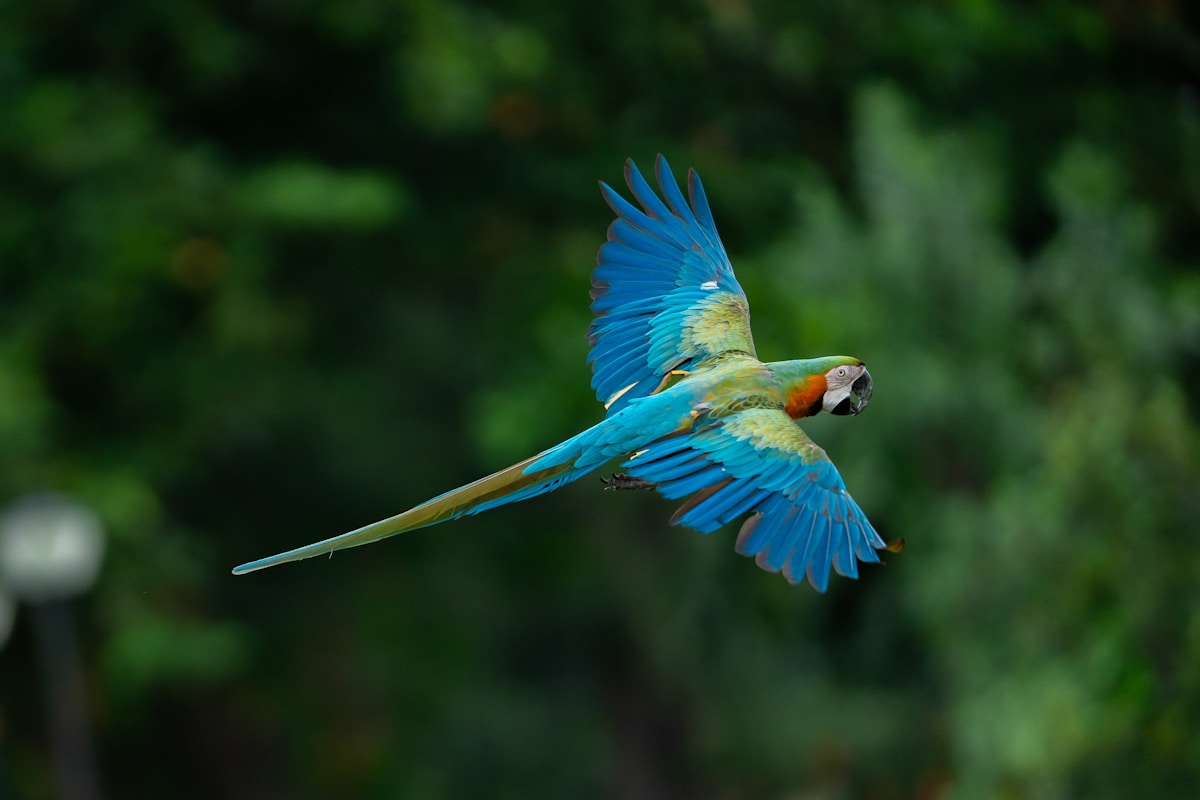
Above all, an honest accounting of where the hours of care are actually being spent. The breeders are the ones who show up every day to feed, clean, medicate, and spend time with individual birds. The aviaries are where the expertise lives. The social media ecosystem is where the knowledge gets transmitted. The private money is what built the facilities that saved the species the institutional system gave up on.
The forest is not untouched. It is being cleared. The birds that are still alive are, increasingly, the ones someone decided to keep alive deliberately. And the institutions that are now loading those birds onto private jets and flying them back into the same failing habitat, so the cameras can roll and the donations can flow, are not the ones who earned the right to decide where those birds belong.
Thebreedersearnedit.Theyearnedittheonlywayanybodyearnsanything—bydoingthework,yearafteryear,withtheirownhandsandtheirownmoney,whileeverybodyelsewasbusytellingastory.
Written by Haroon Haider
Founder of MyParrot. Advocating for parrot welfare through education, honest research, and the belief that these wild birds deserve a life as close to nature as possible.